
Still Tired After 8 Hours? It Might Be Sleep Apnea
If you sleep a full night and still wake up exhausted, it’s easy to blame stress, age, or a packed schedule. Sometimes the issue is fragmented sleep from breathing pauses — most often obstructive sleep apnea (OSA), when the upper airway narrows or collapses during sleep.
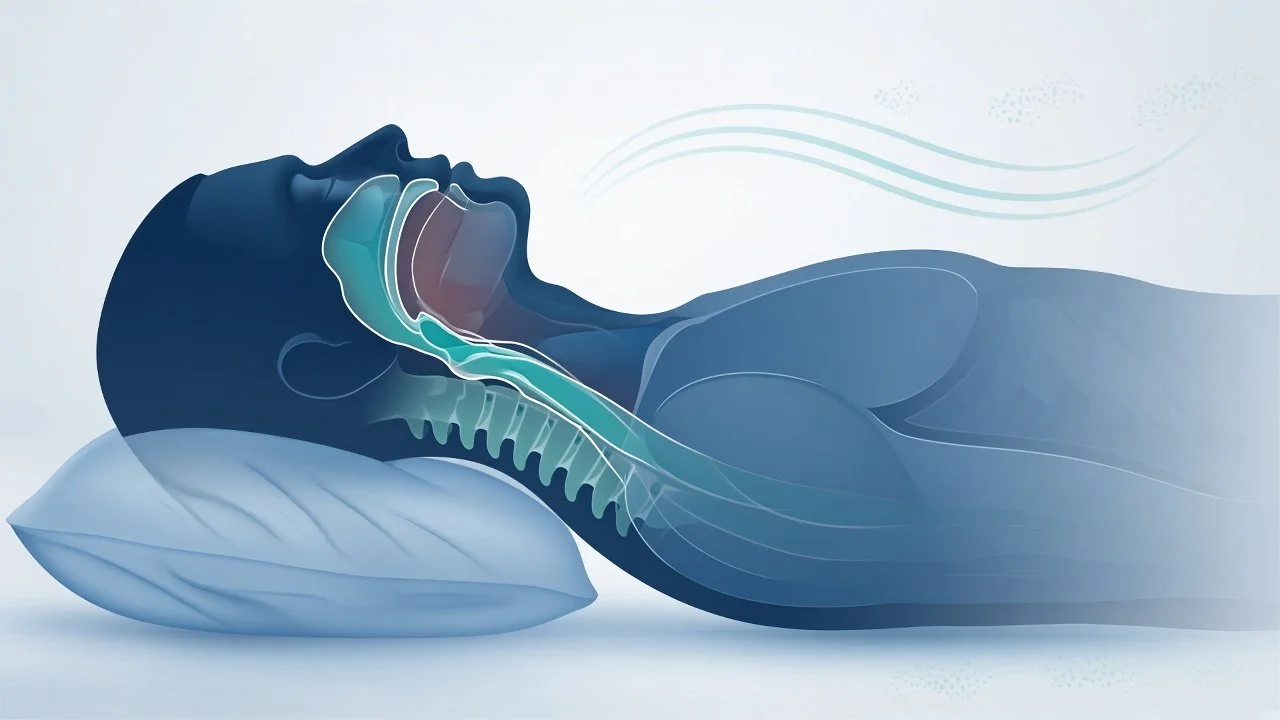
What is OSA?
In OSA, complete pauses (apneas) or partial reductions (hypopneas) in airflow cause oxygen drops and brief arousals. Many people don’t remember waking, but sleep quality suffers. Common clues include loud snoring, witnessed breathing pauses, and daytime sleepiness.
How common is it?
Estimates vary with how OSA is defined, but population data often cited in U.S. reviews put symptomatic OSA around roughly 14% of men and 5% of women (AHI ≥ 5 plus daytime sleepiness) — and higher in groups with obesity, heart disease, stroke history, or diabetes. Globally, hundreds of millions of adults are estimated to have OSA when broader AHI cutoffs are used.
Warning signs worth a sleep evaluation
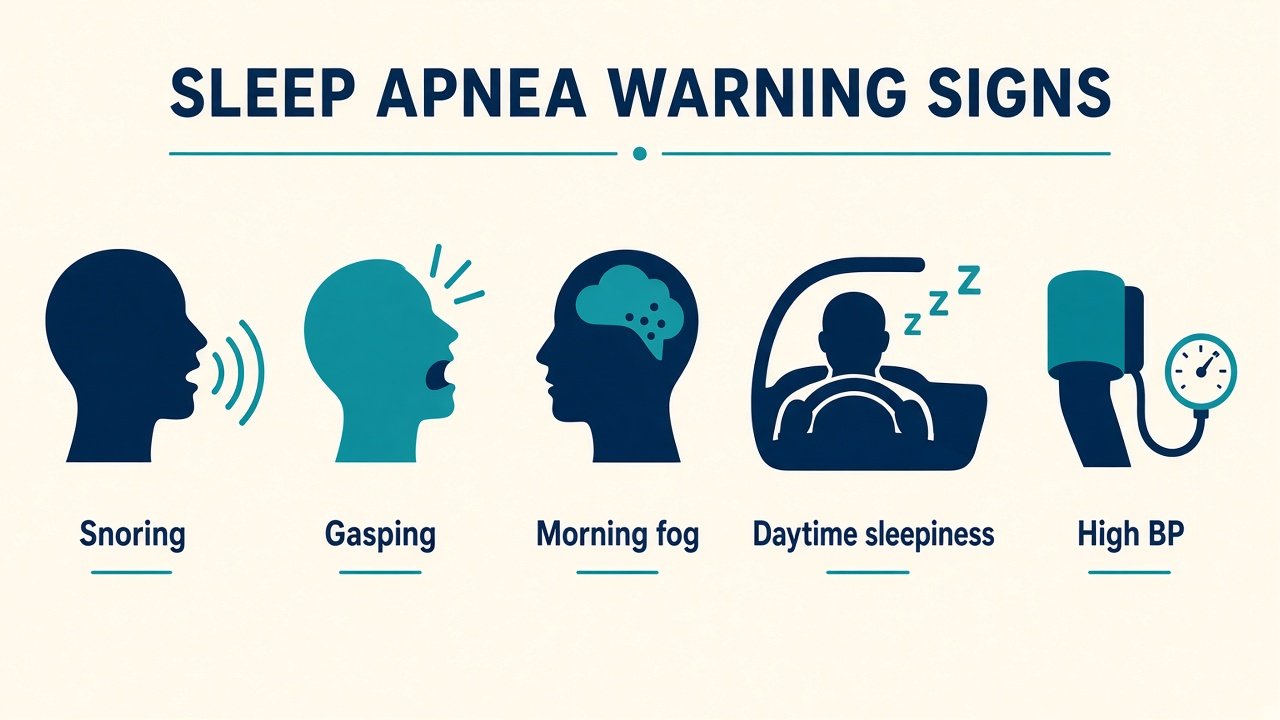
Loud snoring, gasping, or choking at night
Morning headaches or brain fog
Daytime sleepiness (including drowsy driving risk)
Unrefreshing sleep despite 7–9 hours in bed
High blood pressure that’s hard to control
These don’t diagnose OSA alone — they raise pretest probability and are a reason to talk with a sleep clinician.
Why untreated OSA matters
Repeated oxygen drops and sleep disruption are linked with cardiovascular and cerebrovascular risk, metabolic problems including type 2 diabetes, reduced quality of life, and higher crash risk when sleepiness is present. The good news: once identified, OSA is often highly treatable.
How testing usually works
In-lab polysomnography (PSG) remains the most comprehensive test. For many uncomplicated adults with a high likelihood of moderate-to-severe OSA, home sleep apnea testing (HSAT) with a technically adequate device is also guideline-supported by the American Academy of Sleep Medicine. If a home test is negative or inconclusive — or if other sleep disorders or complex medical issues are suspected — an in-lab study may still be needed.
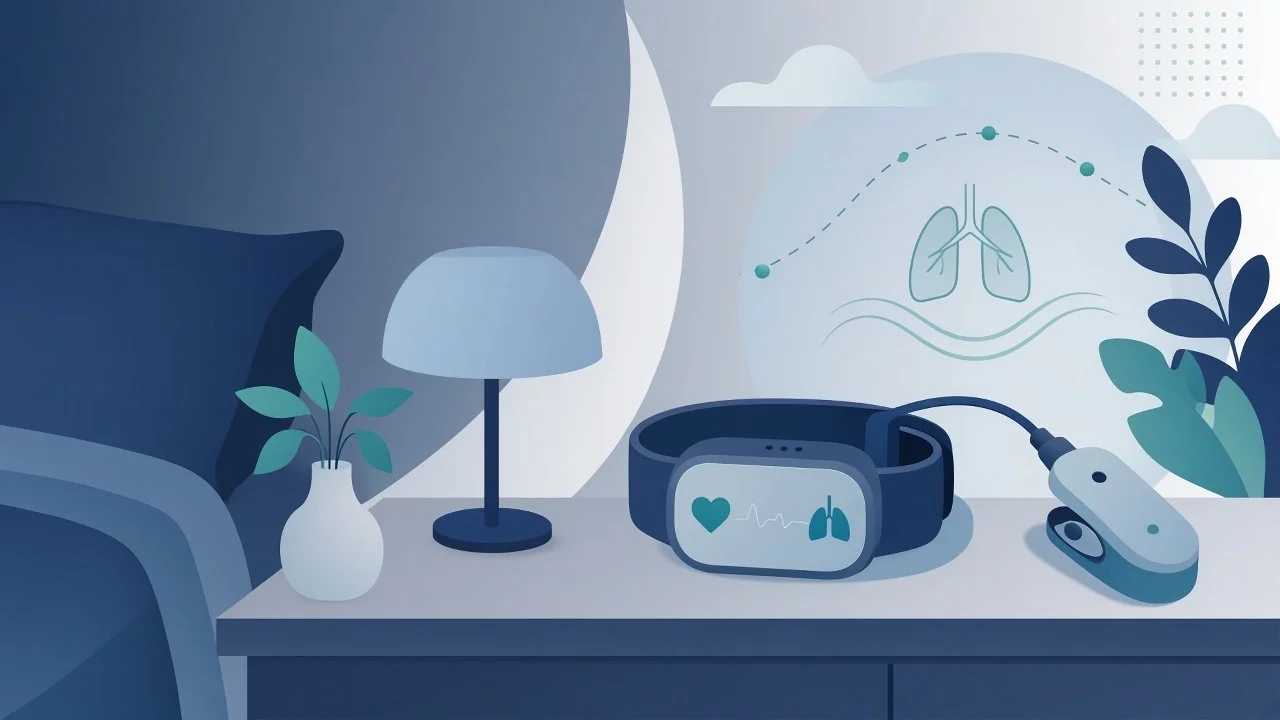
How we approach this at REMedy
Care often starts with a telehealth consult. Many patients can do an at-home study (we commonly use WatchPAT-style HSAT) in their own bed. In-lab studies are available when needed. Treatment plans are personalized and may include CPAP/PAP, oral appliances, lifestyle changes, medications, or referral for advanced options when appropriate.
Next step
Book a virtual visit: https://www.remedysleepwellness.com
Call: (210) 605-4266
Serving patients across Texas via telehealth. Accepted insurance includes BCBS, Curative, Ambetter, UHC, and Medicare, plus self-pay options.
— Luis M. Guevara, DO
Board-certified, Sleep Medicine & Family Medicine
REMedy Sleep & Wellness
References
Kapur VK, et al. AASM Clinical Practice Guideline for Diagnostic Testing for Adult OSA. J Clin Sleep Med. 2017. https://pmc.ncbi.nlm.nih.gov/articles/PMC5337595/
Slowik JM, et al. Obstructive Sleep Apnea. StatPearls (NCBI). https://www.ncbi.nlm.nih.gov/books/NBK459252/
US Preventive Services Task Force. Screening for OSA in Adults. JAMA. 2022. https://doi.org/10.1001/jama.2022.20304
Benjafield AV, et al. Estimation of the global prevalence and burden of OSA. Lancet Respir Med.